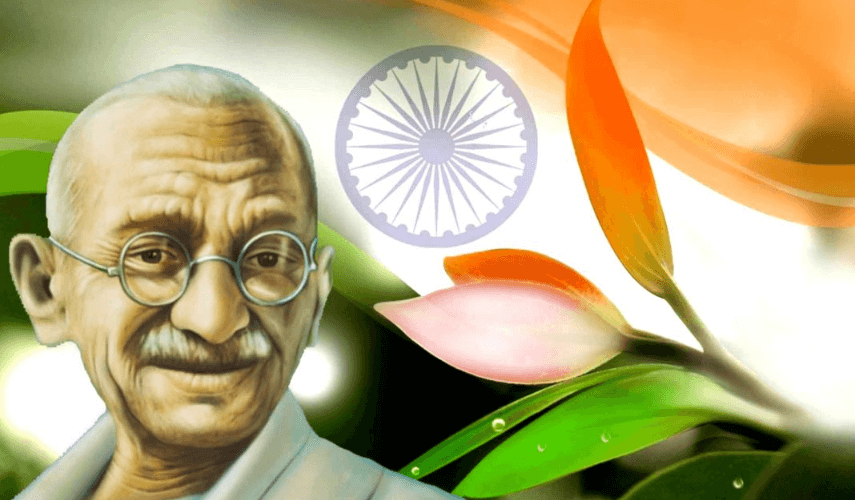
Mahatma Gandhi: The Architect of Nonviolent Resistance
Mohandas Karamchand Gandhi, often referred to as Mahatma Gandhi, was born on October 2, 1869, in Porbandar, India, and passed away on January 30, 1948, in Delhi. He was a prominent Indian lawyer, politician, social reformer, and author who rose to prominence as a key leader in India’s struggle for independence from British colonial rule. He is widely revered as the Father of the Nation.
Gandhi’s philosophy of non-violence, or satyagraha, became a revolutionary force, reshaping the world’s understanding of peaceful resistance. His influence spread far beyond India, leaving a global legacy in civil rights and liberation movements across continents.
🌍 Revered as the “Mahatma”
To countless Indians, he was known as the “Great Soul” or Mahatma. The immense love and admiration he received often overwhelmed him. He once remarked that the expectations placed upon him could only be understood by someone in a similar position.
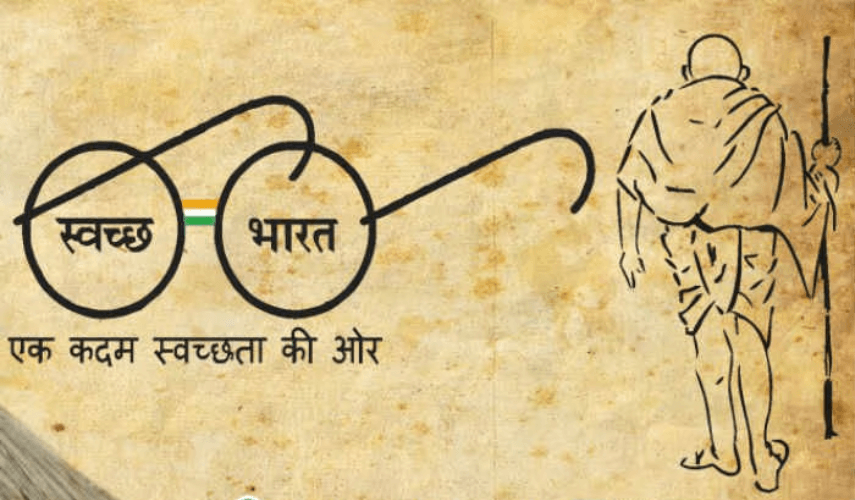
Gandhi’s image—of simplicity, discipline, and moral courage—became iconic. Even after his death, his name continues to be celebrated across the globe.
✈️ From South Africa to the Indian Subcontinent
In 1914, after spending two decades in South Africa fighting for the rights of the Indian diaspora, Gandhi returned to India. After a brief stay in London, he landed in Bombay in January 1915. Rather than rushing into politics, he focused on understanding Indian society and British colonial structures.
⚖️ Early Involvement in Indian Politics
Gandhi's political awakening came after World War I, especially with the imposition of the Rowlatt Acts (1919) which allowed detention without trial. In response, he introduced satyagraha, combining passive resistance with civil disobedience to protest injustice.
The brutal Amritsar Massacre further ignited national outrage. Under Gandhi’s leadership, the Indian National Congress evolved into a mass movement, engaging even rural populations in the fight for freedom.
⚖️ Mahatma Gandhi: The Failed Lawyer?
Before becoming a freedom fighter, Gandhi was a barrister in South Africa for 20 years. However, his legal career in India never truly took off. He admitted that he lacked the oratorical and legal brilliance of contemporaries like Pherozeshah Mehta and Badruddin Tyabji.
His time at the Bombay High Court was unimpressive—he once wrote that he often dozed off during hearings. Despite having a law degree from Inner Temple, London, he failed to get a single brief in the Bombay High Court.
“I used to attend High Court daily whilst in Bombay, but I cannot say that I learnt anything there... I even lost the sense of shame, as I learnt to think that it was fashionable to doze in the High Court.” — Gandhi, in his autobiography
His one attempt to argue a case in a small causes court ended in embarrassment, reinforcing that legal practice wasn’t his true calling.
🚶♂️ Walking Towards Legacy: From Barrister to Bapu
Interestingly, Gandhi’s habit of walking everywhere—started in Bombay due to financial limitations—kept him fit and later enabled him to undertake historic marches like the Dandi March.
What began as a necessity became a symbol of resilience and accessibility, helping Gandhi physically and symbolically lead India’s nonviolent revolution.
🏁 Conclusion
Mahatma Gandhi’s life is a testament to how conviction, discipline, and moral clarity can change the world. From his humble beginnings and legal missteps to leading one of the greatest independence movements in history, Gandhi became the embodiment of truth, peace, and nonviolence.
His teachings continue to inspire generations seeking justice through peace—not only in India but across the globe.
Let us remember Gandhi not just as a historical figure, but as a timeless guide for how humanity can coexist with dignity and harmony.